
-
Translate
 TH
TH EN
EN JP
JP CN
CN
TH EN JP CN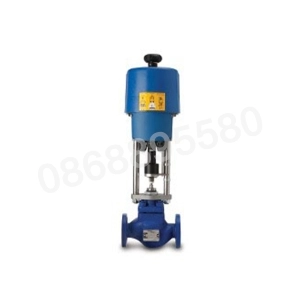
A Control Valve plays a vital role in piping systems and many production processes—whether in industrial plants, utility operations, or water management systems. To keep the entire system running smoothly, regular inspection and proper maintenance of control valves are essential.
Taking care of control valves doesn’t just help them perform accurately and reliably; it also extends their service life and reduces the risk of unexpected breakdowns that could affect the whole process. With the right maintenance practices, operators can minimize downtime, avoid costly repairs, and maintain consistent system performance.
In this article, we’ll share practical guidelines for inspecting and maintaining control valves, helping operators and maintenance teams ensure long-term reliability and efficient operation throughout the valve’s lifespan.
Regular valve inspection is a basic step that should be done routinely to check the operational condition and integrity of the equipment. Start by inspecting the valve’s external condition for any damage, wear, or accumulation of dirt. If any of these are found, they should be cleaned or repaired immediately. Also, check the valve's performance to ensure there are no leaks and that the valve opens and closes as intended. Regular inspections reduce the likelihood of major valve failures in the future.
Keeping the control valve clean is a key part of routine maintenance. When dirt, residue, or buildup accumulates on the valve, it can interfere with smooth operation—especially in systems that handle chemicals or thick fluids such as oil and gas.
Cleaning should be done using the right tools and materials to avoid damaging the valve. A clean cloth or a soft-bristled brush is usually sufficient for removing light dirt. For tougher buildup, use cleaning agents that are compatible with the valve’s material. This helps remove stubborn deposits safely while protecting the valve’s surface and internal components.
Regular cleaning not only improves performance but also helps prevent long-term wear and unexpected issues during operation.
Some control valves—especially those with moving components such as ball valves and gate valves—need proper lubrication to operate smoothly. Lubrication helps reduce friction between moving parts, making the valve easier to operate and slowing down wear over time.
It’s important to use the right lubricant for each valve type and application. Always select lubricants that are compatible with the valve materials and operating conditions, and follow the manufacturer’s recommendations. Proper lubrication not only improves performance but also helps extend the valve’s service life and reduce maintenance issues in the long run.
Regularly checking the pressure entering the control valve is essential to make sure it stays within the valve’s recommended operating range. Excessive pressure can lead to poor performance, unexpected malfunctions, or even permanent damage to the valve.
Along with monitoring pressure levels, it’s also important to inspect related components such as pressure sensors and controllers to ensure they are functioning properly and providing accurate readings. Any pressure adjustment should be carried out by qualified personnel, as proper calibration is critical for both system safety and reliable operation.
Over time, internal components of a control valve—such as gaskets and seals—naturally wear out, especially in systems that operate continuously or under heavy load. If these worn parts are left unattended, they can lead to leaks, reduced control accuracy, or even valve failure.
Replacing worn components at the right time helps prevent more serious problems and keeps the valve working reliably. Always choose high-quality replacement parts that meet the manufacturer’s specifications to ensure proper fit, dependable performance, and long-term durability.
Preventive maintenance focuses on taking care of control valves before problems occur. By following a planned maintenance schedule—such as regular inspections, cleaning, lubrication, and timely replacement of worn parts—operators can keep valves working efficiently and extend their service life.
This proactive approach helps reduce the risk of unexpected breakdowns that could disrupt production or damage piping systems. With preventive maintenance in place, maintenance teams can operate with greater confidence, knowing that the control valves will continue to perform reliably and support smooth, uninterrupted operations.
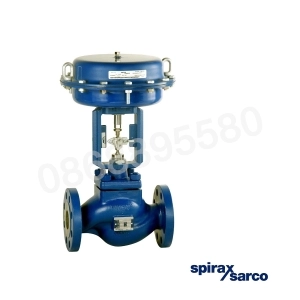
If you are looking for high-quality control valves that are durable and can help improve the efficiency of your piping systems and production processes, MediFruit Co., Ltd. is the distributor of Spirax Sarco control valves in various models, designed to meet your specific requirements. Whether it’s control valves for water, steam, oil, or gas systems, we offer certified quality products, backed by a team of experts ready to provide consultations and professional installation services.
--------------------------------------------------------------
Read More
• Do You Know What Spare Parts Are Needed for Industrial Steam Systems?
• Spirax Sarco Safety Valve – Number One in Quality and Reliability
• Enhance Steam System Efficiency with MFP14 Condensate Pump from Spirax Sarco
